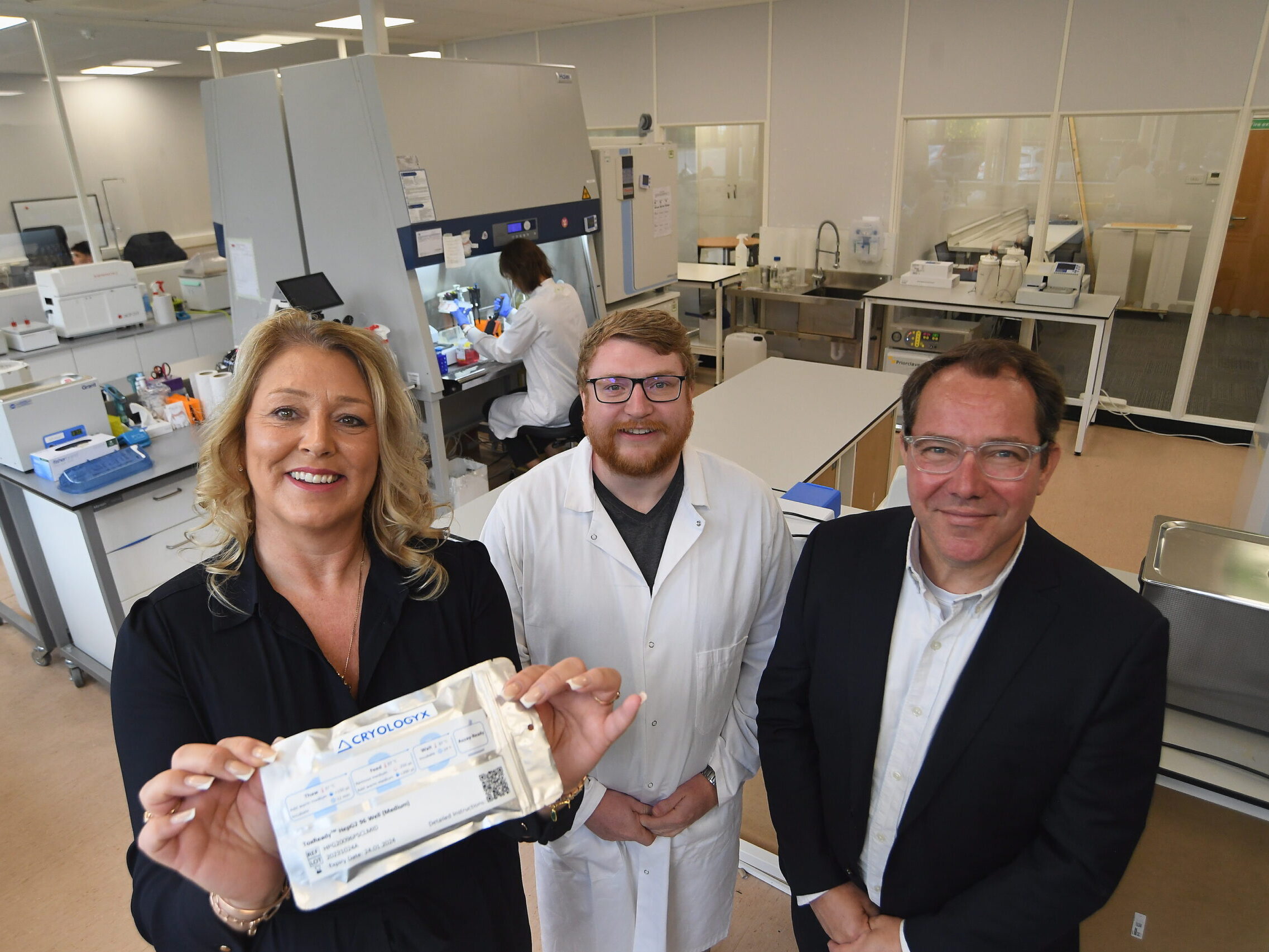

For those working at the University of Warwick Science Park, whether you are a tenant or a member of staff, the University’s natural surroundings are on our doorstep, offering a relaxing way to enjoy some time in a greener setting.
Just a short distance from offices and workspaces, the main University of Warwick campus offers expansive green spaces, lakes, and walking routes that provide an opportunity to step away from the desk, reset, and recharge. Whether it’s a quick lunchtime stroll or a more mindful break between meetings, these natural surroundings can play a simple but meaningful role in supporting wellbeing during the working day.
In the middle of a busy working day, it’s easy to forget just how much nature surrounds us, covering around 290 hectares in the valley of Canley Brook, the campus is more than just a place to work, it’s a living landscape shaped by history, biodiversity, and ongoing conservation efforts.
A campus alive with wildlife
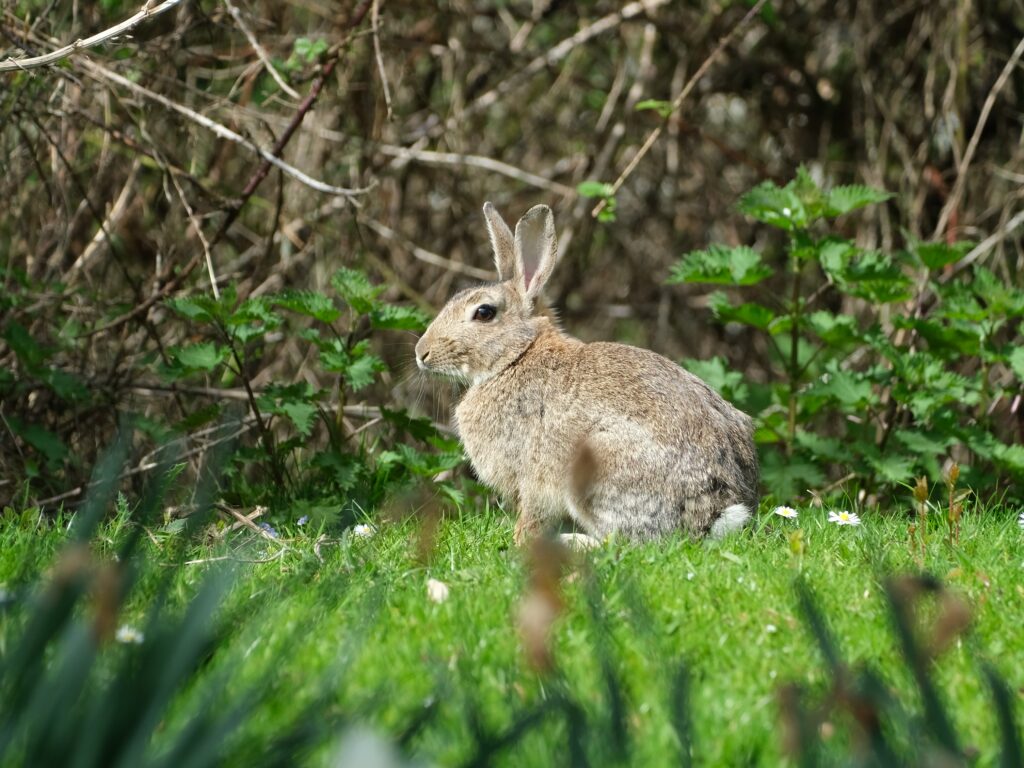
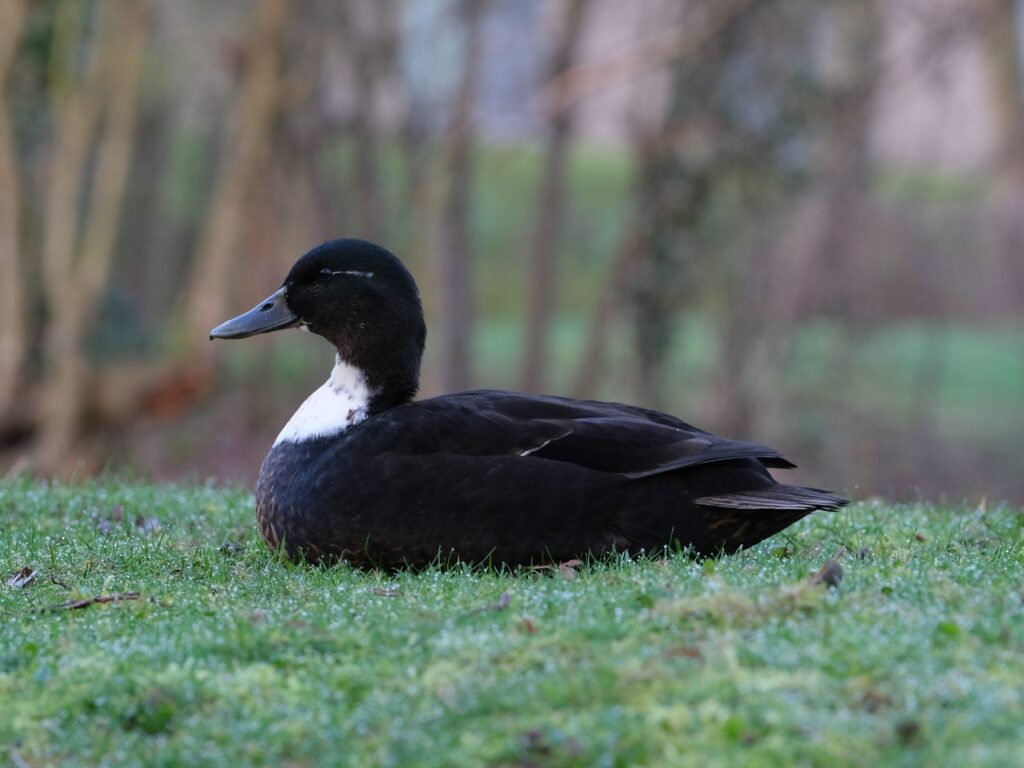
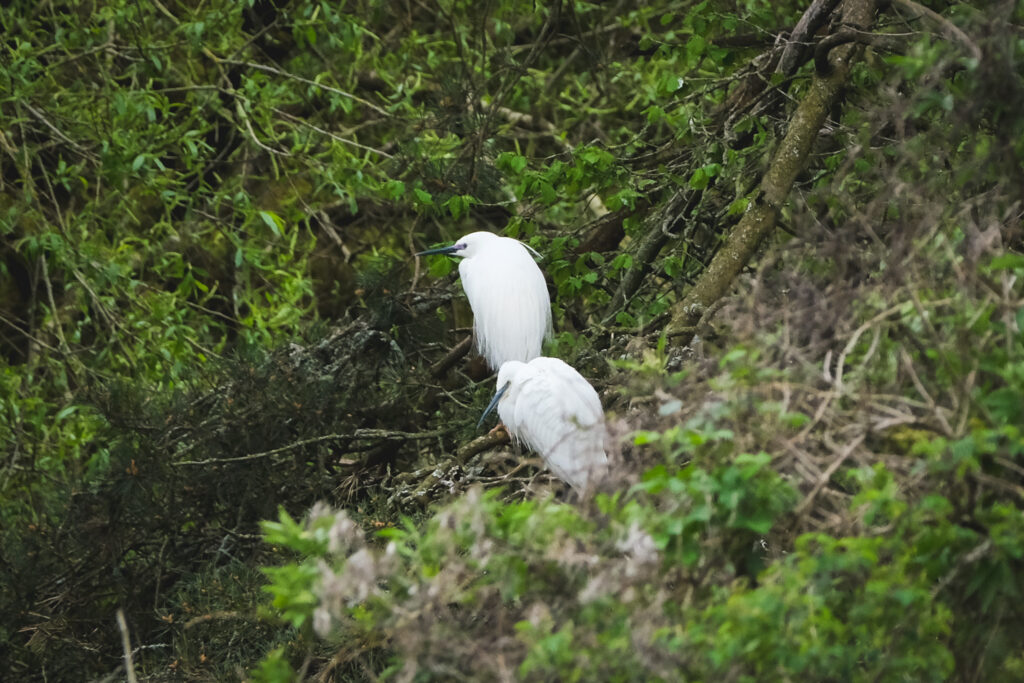
Whether you’re walking between meetings or taking a lunchtime break, there’s a good chance you’ll encounter some of the campus’s wildlife.
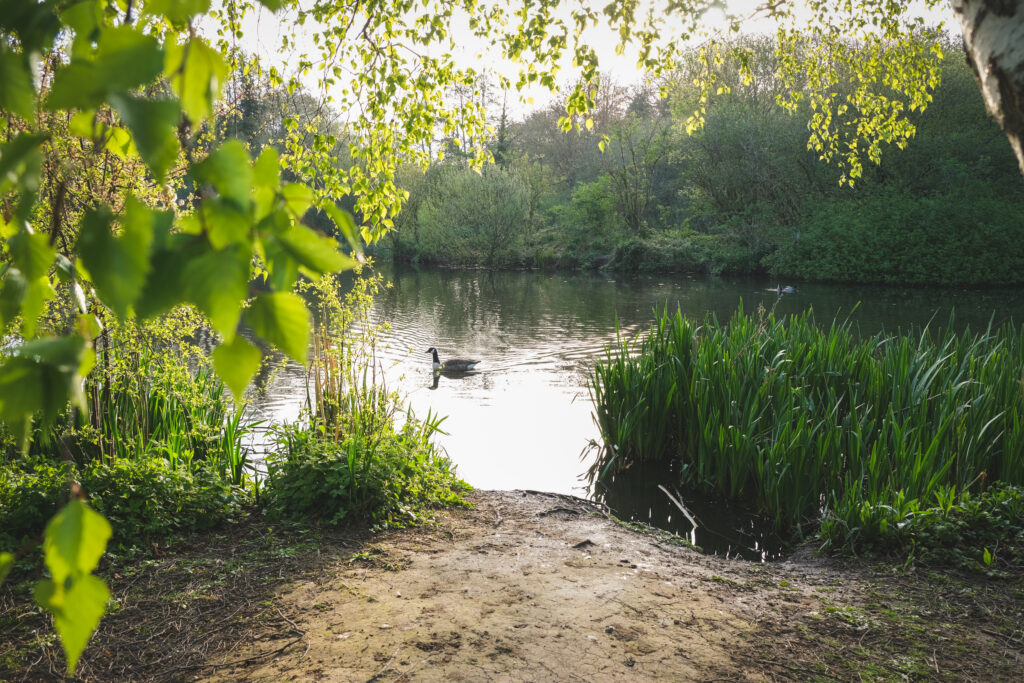
The lakes and surrounding wetlands are home to a variety of birdlife. Ducks, coots, moorhens and mallards regularly breed here, while swans can often be spotted with their cygnets in the warmer months.
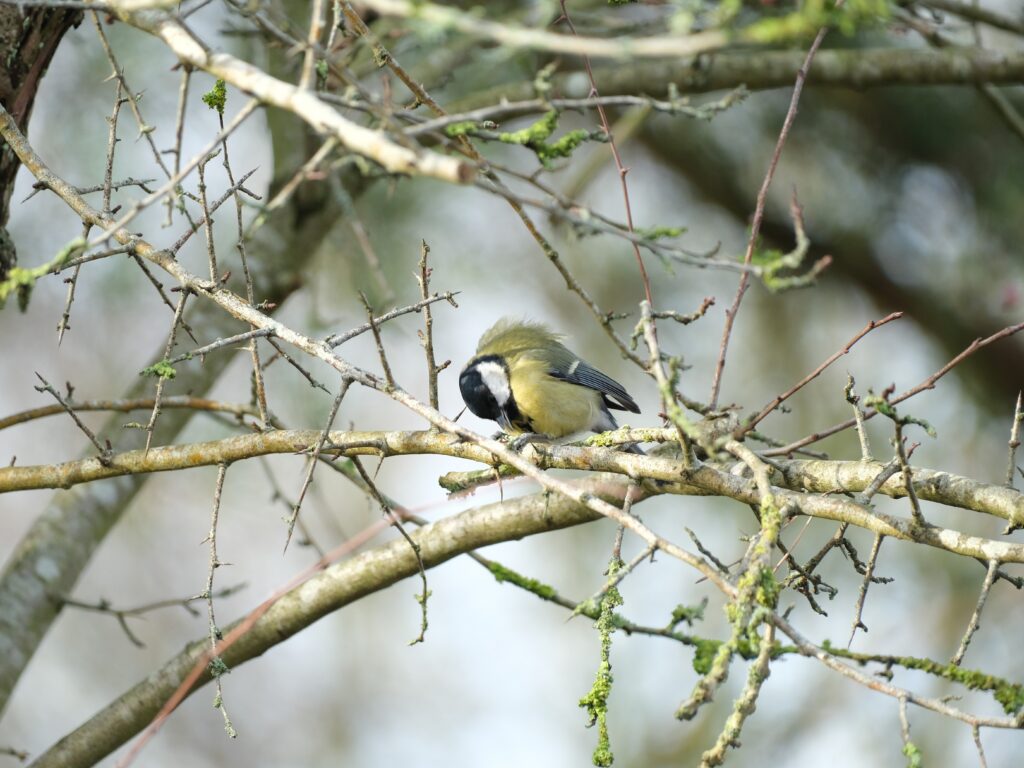
Seasonally, you might also notice ducklings and goslings along the water’s edge, or catch sight of more elusive visitors such as herons or cormorants. The trees and open spaces host a range of species, such as great spotted woodpecker, goldfinches, or the tiny but beautiful goldcrest, to insects and butterflies thriving in meadow habitats.
These environments haven’t appeared by chance. The University has actively created and enhanced habitats across campus, from newly formed lakes to carefully managed hedgerows and meadows that support biodiversity.

Walking for wellbeing
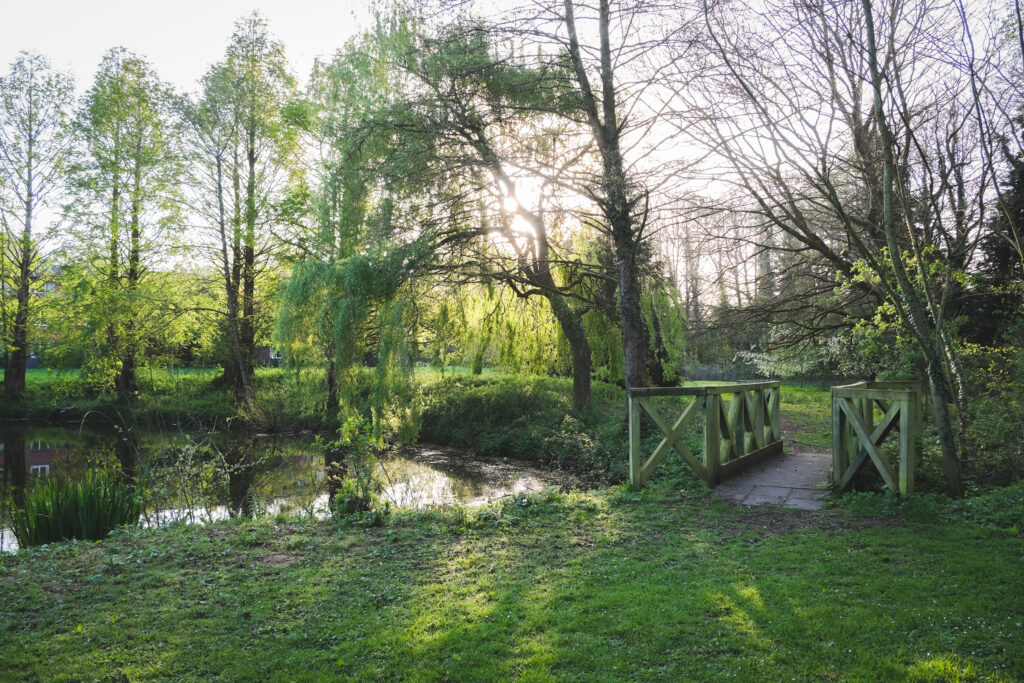
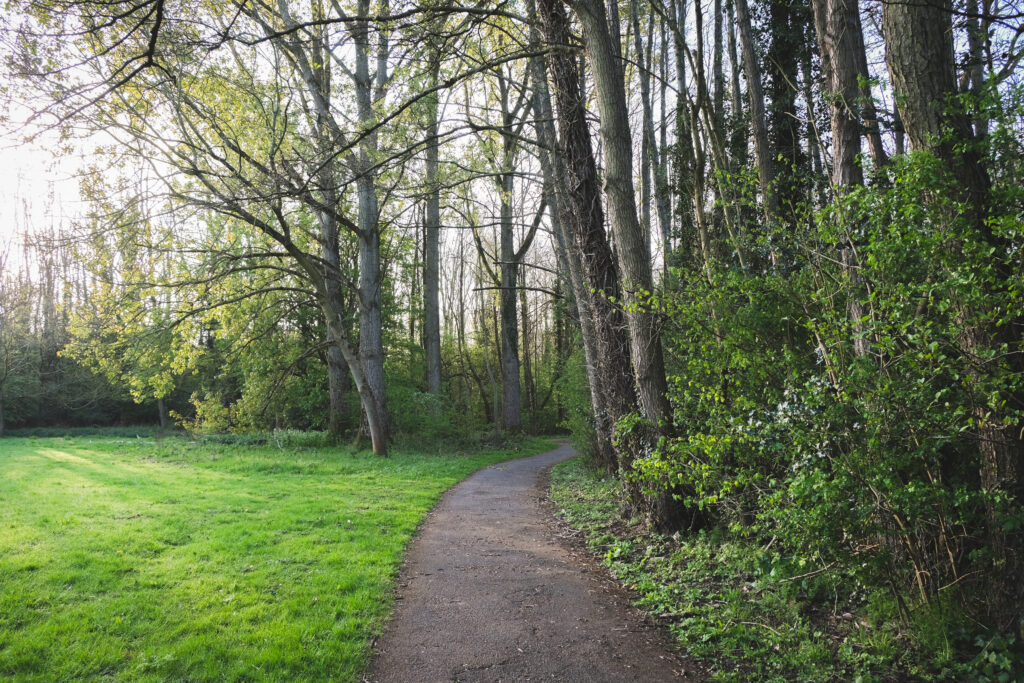
The campus offers a variety of informal walking routes, from short 1.4km strolls to longer loops of over 8km, all designed to take you through natural areas.
The benefits go beyond physical exercise. As highlighted in the University’s own campus walks guidance, spending time outdoors can bring a sense of calm, help clear the mind, and provide space away from daily pressures.
A brief walk around Tocil Lake or through nearby green corridors, can offer a reset during a busy day.
Seasonal changes to enjoy
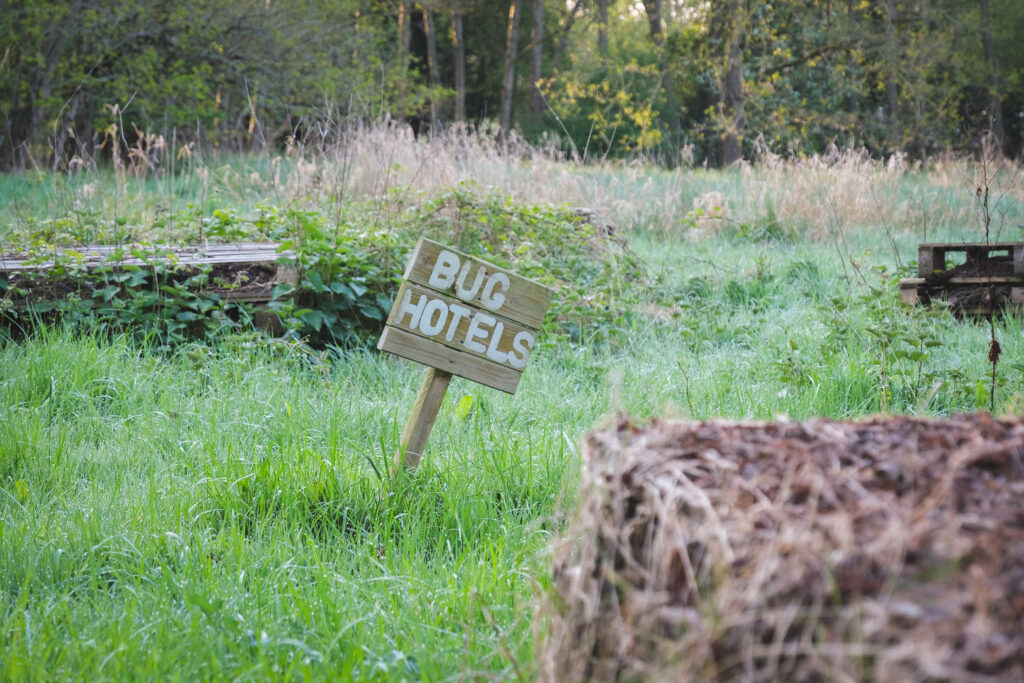
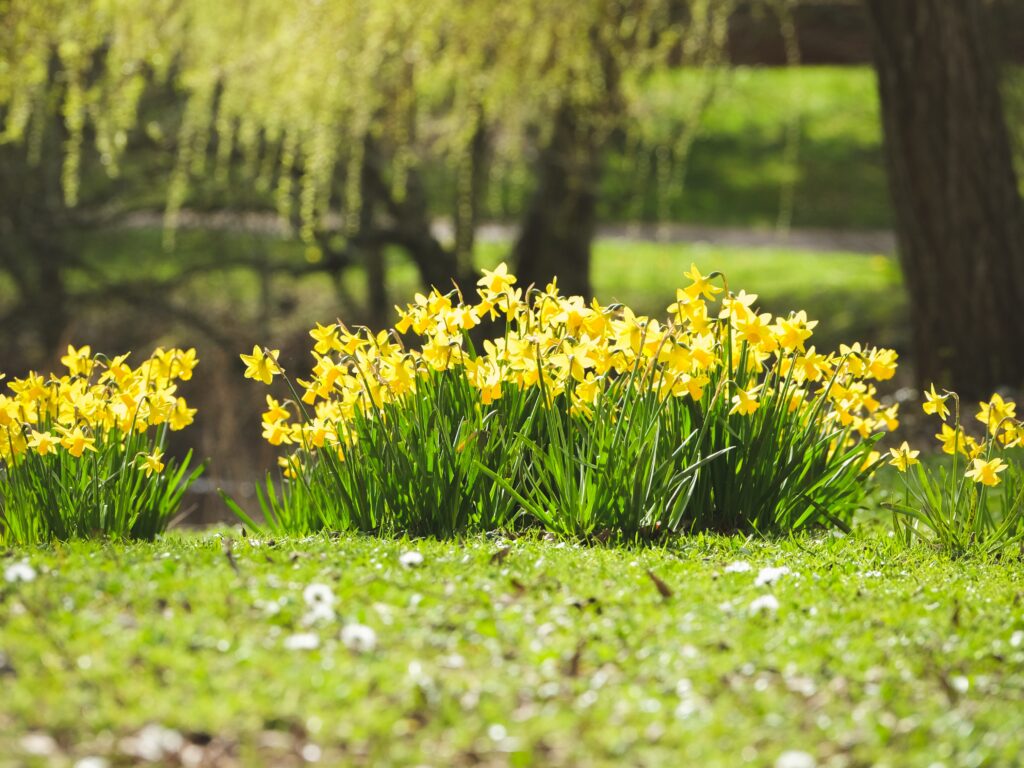
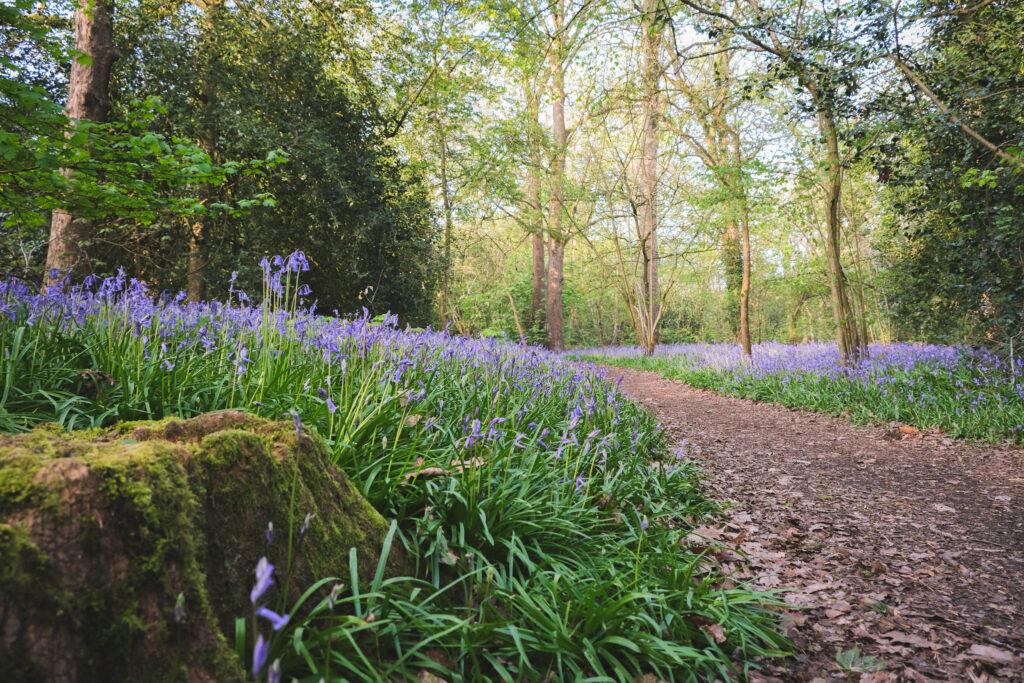
Nature on campus changes constantly throughout the year. In spring, biodiversity trails highlight features such as wildflower areas, bug hotels and woodland spaces like Tocil Wood Nature Reserve.
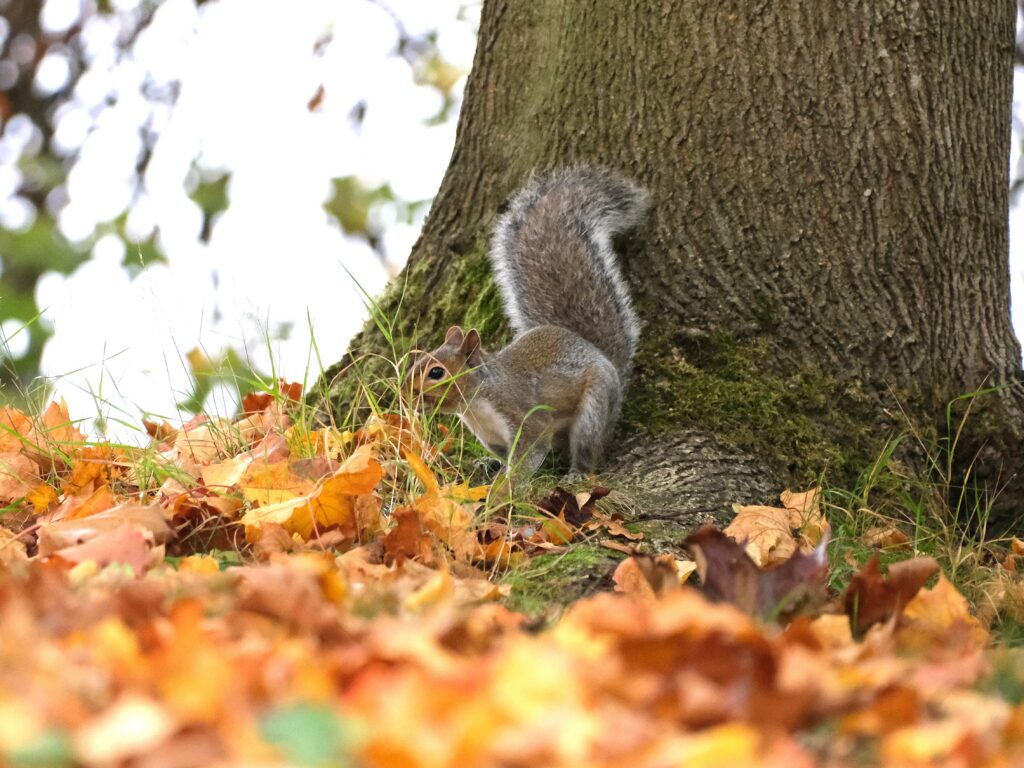
Summer brings more visible wildlife activity, while autumn introduces changing colours and textures across the landscape. Each season offers something different to notice, whether it’s birds nesting, leaves turning, or simply the light shifting across the lakes.
Getting involved
For those who want to engage a little more, the University encourages staff and the wider community to take part in biodiversity initiatives. This includes recording wildlife sightings through apps like iNaturalist, helping build a better picture of species across campus.
There are also organised biodiversity walks and activities throughout the year, alongside ongoing work to enhance habitats and protect species.
Taking a moment
You don’t need to be an expert in nature to benefit from it. Sometimes it’s as simple as noticing the movement of water, the sound of birds, or the presence of new life along familiar paths.
If you’re based at the University of Warwick Science Park, the main campus is right on the doorstep, offering an easy and accessible way to support wellbeing through time outdoors.
Next time you have a spare 10 minutes why not consider stepping outside. You might be surprised by what you notice.