If you lead an R&D, engineering or product team, you already know the office isn’t just “where work happens” anymore. It’s where you run faster feedback loops, protect focus time, meet partners, and show customers (and investors) that your business is operationally credible.
The problem is that a lot of office trends are designed for corporate life and not for teams building products, iterating prototypes, or running complex projects on tight timelines.
This is a pragmatic, “what to do next” guide to the office trends that matter most in 2026, what to prioritise, and what to deprioritise so you can plan a refresh that supports hiring, delivery, and customer confidence.
Why do office trends matter more for innovation-led teams?
For innovation-led businesses, the office is part of your delivery system.
You need collaboration that’s easy when it’s needed, and privacy that’s protected when it’s essential. You also need space that can handle “real work” hardware, prototypes, secure storage, and the reality that not everything is neat and digital.
In simple terms, the right office space trends reduce friction.
And in 2026, when hybrid working is normal, and talent is selective, the most useful future office trends are the ones that make work smoother, not flashier.
The 2026 office trends checklist: what to prioritise first
If you only improve five things this year, start here. These office trends are practical, measurable, and strongly linked to team performance.
How do you balance privacy and collaboration without killing either?
Open-plan alone doesn’t work for deep technical work. But turning the office into a library doesn’t work either.
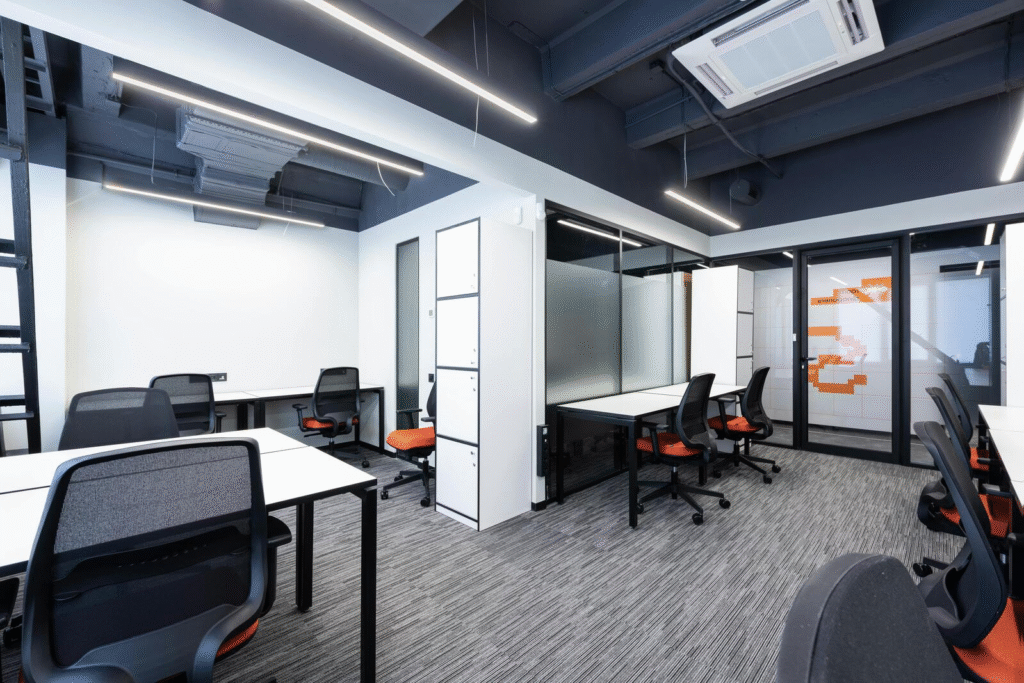
The best office trends in 2026 focus on balance, clear zones for different work modes, and simple rules that make those zones usable. Privacy isn’t always about hiding away; it’s about protecting your team’s focus, reducing any interruptions, and making sensitive conversations possible.
What to do next:
- Designate at least one “focus zone” per team area (quiet, low-traffic, no calls).
- Create a reliable collaboration zone nearby (whiteboards, flexible seating, quick huddles).
- Add a small number of bookable rooms for confidential calls, interviews, and partner meetings.
Is AI-enabled video conferencing now a must-have office trend?
AI-enabled video conferencing facilities are everywhere in conversations about future office trends. But for most teams, the value is simple: less admin, clearer actions, and fewer missed details.
The trap is buying a complicated kit that looks good in a brochure and gets ignored in real life.
For product-led teams, the “AI-enabled” part only matters if the basics are strong. If the audio is poor, your notes will be poor. If the room is hard to use, your meetings will start late and drift.
What to do next:
- Prioritise excellent audio (this is still the biggest lever).
- Make joining meetings frictionless (one clear way to connect, not five).
- Use AI where it saves time: action capture, meeting summaries, searchable notes.
Inclusive design isn’t a trend!
Inclusive design is often treated as a tick-box exercise. In reality, it’s about reducing everyday friction so more people can do their best work.
In 2026, office trends that genuinely support performance include predictable layouts, good lighting, sensible acoustics, and options for people who work differently. That includes neurodiversity-friendly environments, clear signage, and spaces that support different levels of sensory input.
What to do next:
- Offer choice: quiet spaces, low-stimulation areas, and collaboration spaces with higher energy.
- Keep layouts intuitive and signage clear (especially for visitors and new starters).
Think “comfort over style” for long work sessions: seating, lighting, and ergonomics.
If you’re trying to hire great people, inclusive office trends help you keep them.
Storage for hardware, prototypes and ‘messy work’ is a priority office trend for R&D teams
Most office design trends assume companies primarily do digital work such as developing documents, slide decks and software. Innovation teams know that’s only half the story.
If you build physical products, work with devices, or run demos, you need secure storage and space that supports real-world physical workflows. Otherwise, tools go missing, and the office becomes cluttered, which affects focus and professionalism.
This is one that is often forgotten about in office design for product teams: designing for prototypes.
What to do next:
- Create secure, clearly owned storage for hardware and prototypes (with simple access rules).
- Add “prototype parking”, a designated place for in-progress builds that isn’t someone’s desk.
- Plan for deliveries, components, and packaging so they don’t spill into work areas.
What does a strong visitor experience look like for partners and investors?
Visitor experience is about being clear, confident, and prepared.
For innovation-led businesses, the office is often where you host partner meetings, customer workshops, and investor conversations. The space should support those moments with minimal stress and maximum professionalism.
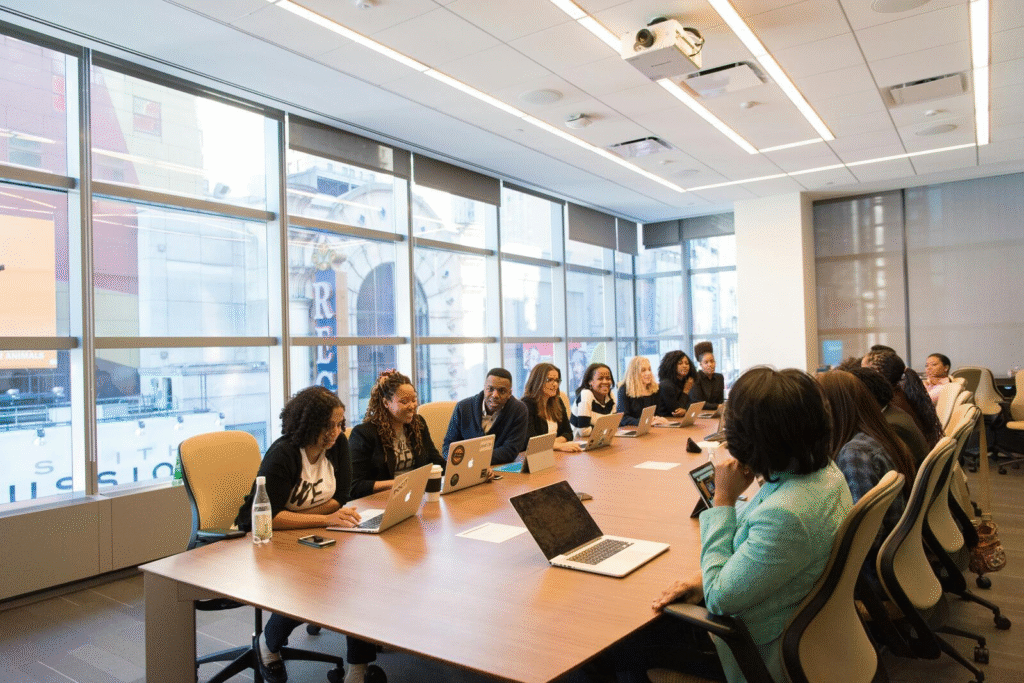
In 2026, office space trends increasingly include “demo-ready” thinking.
What to do next:
- Make reception and arrival simple (clear entry, easy directions, no awkward wandering).
- Ensure meeting rooms feel professional and work every time (tech that’s reliable, not theatrical).
- Have a place where demos can happen safely and confidently (even if it’s small).
Which office space trends should you deprioritise in 2026?
Not every trend deserves your budget. Some office trends look impressive but don’t improve delivery, hiring, or confidence.
Here are the office space trends that most innovation-led teams should treat with caution.
Over-designed open plan
If everyone’s wearing headphones just to think, the layout is working against you. The fix is usually a better mix of focus and collaboration, not “more open”.
Perk-first fit-outs
Game rooms and flashy social areas can be nice, but only after the fundamentals work. If meeting rooms don’t function and storage is a mess, perks won’t fix retention.
Aesthetic-only refreshes
New paint and trendy furniture can lift mood, but they won’t change performance by themselves. The best office trends connect layout with how your team actually works.
Copying corporate layouts
Your business isn’t a bank. Innovation teams need different flows: build work, test work, collaborative problem-solving, and spaces where people can concentrate.
Office trends are only useful if you have a “what to do next” plan
A strong office refresh doesn’t start with furniture. It starts with understanding work.
Here’s a simple plan to move from “we should update the office” to “we know what to change and why”.
Week 1: run a workplace audit in 60 minutes
This isn’t a big project. It’s a quick reset.
What to do next:
- List the main work modes your team uses (deep work, collaboration, calls, build work, demos).
- Identify the top three friction points (noise, lack of rooms, storage chaos, unreliable meeting tech).
- Agree on what you’re optimising for in 2026: hiring, delivery speed, customer confidence, or all three.
This is where office trends become useful because you’re applying them to your reality, not someone else’s.
Weeks 2–4: fix the high-impact basics
Most teams don’t need a full overhaul first. They need foundational fixes.
What to do next:
- Improve acoustics and protect focus (even small changes can help).
- Sort meeting room reliability (audio, joining, booking).
- Put prototype/storage systems in place so the office doesn’t get clogged.
- Pilot changes in one area before rolling them out.
If you’re investing in future office trends, start with changes that improve day-to-day working immediately.
60–90 days: plan the refresh properly
Once quick wins are in place, you can plan bigger changes with confidence.
What to do next:
- Measure what’s being used and what isn’t (even a simple booking review helps).
- Allocate budget by outcome, not by room (“reduce interruptions”, “improve partner meetings”, “support prototype work”).
- Pair layout changes with simple behaviour norms (how spaces are meant to be used).
This is where office space trends stop being “design” and become operational improvement.
How do future office trends support hiring and retention?
Hiring technical talent isn’t only about salary. People want work that’s interesting and an environment that lets them do it well.
Future office trends that support hiring tend to do three things.
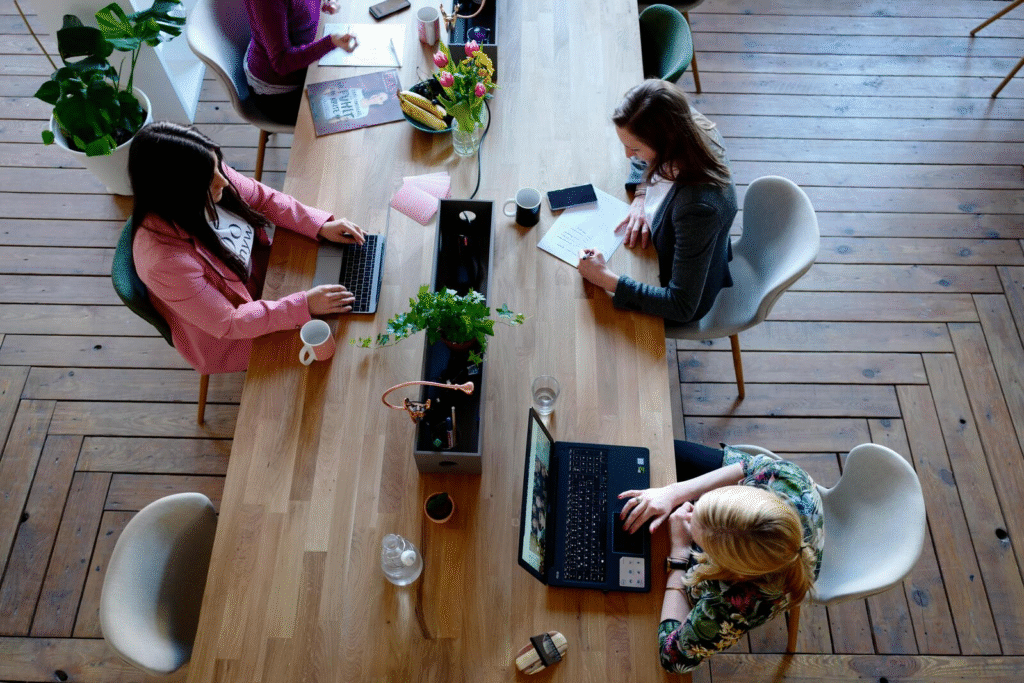
They protect focus so people can produce high-quality work. They make collaboration easy so teams can solve problems quickly. And they create learning opportunities because people can work together, run better sessions, and share knowledge without the office fighting them.
There’s also a signalling effect. When your workspace supports serious delivery, good meeting rooms, thoughtful zones, prototype storage, and a professional visitor experience, it shows candidates that you’re organised and ambitious.
Quick recap
Prioritise office trends that improve how your team builds and delivers: privacy with collaboration, reliable meeting rooms (with AI only where it helps), inclusive design, prototype-friendly storage, and a visitor experience that boosts confidence.
Deprioritise office space trends that add noise, complexity, or cost without changing outcomes.
At the University of Warwick Science Park, we work with innovation-led businesses at different stages, from early teams finding their footing to scaling companies hosting partners and building customer trust.
If you’re planning a refresh, a move, or a new setup and want office space that supports hiring, delivery, and confidence, our team can help you explore options that fit how your business actually works, not just what’s fashionable in office trends. Get in touch with us to discuss how Warwick Science Park can offer you the perfect office space for your business.